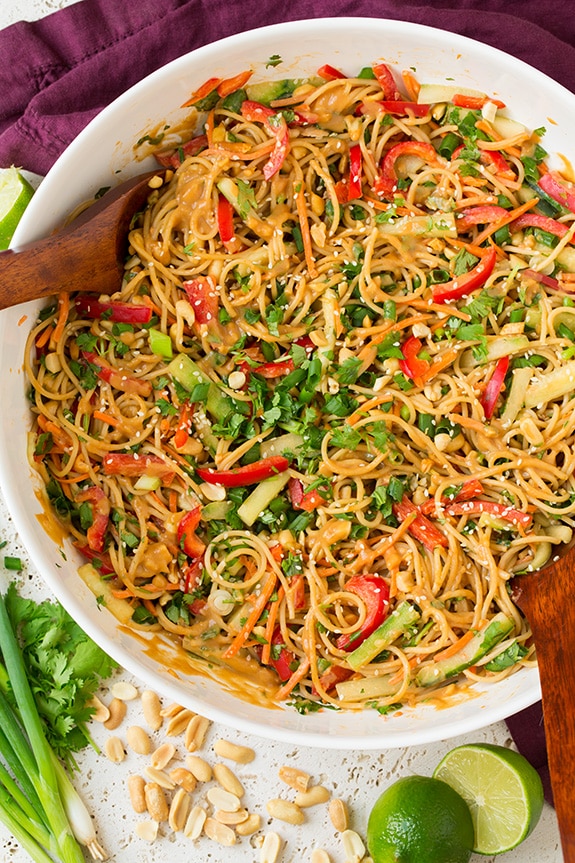
Imagine a dish that’s not just a meal, but a vibrant culinary experience—one that tantalizes your taste buds with a perfect balance of sweet, savory, spicy, and tangy notes. Now, imagine preparing this dish in less time than it takes to decide on takeout. Welcome to the world of Spicy Thai Peanut Noodles! This isn't just a recipe; it's an invitation to elevate your weeknight dinners, impress your guests, and nourish your body with an abundance of fresh flavors and wholesome ingredients.
Far from a bland noodle bowl, these spicy Thai peanut noodles are a testament to how simple ingredients, thoughtfully combined, can create something truly extraordinary. Whether you're a seasoned chef or a kitchen novice, this dish promises a delightful journey for your senses, bringing the bustling aromas of a Thai street market right into your home kitchen. Get ready to discover a meal that's not only quick and easy but also incredibly versatile, catering to a myriad of dietary preferences and protein choices. It's time to dive into a bowl of pure, unadulterated flavor!
Why Spicy Thai Peanut Noodles Deserve a Spot in Your Kitchen
In a world where time is a precious commodity, finding meals that are both delicious and efficient can feel like a rare gem. Spicy Thai Peanut Noodles are precisely that gem, offering a remarkable blend of attributes that make them an indispensable part of any home cook's repertoire.
A Symphony of Flavors and Textures
The magic of this dish lies in its intricate yet harmonious flavor profile. Each bite delivers a burst of umami from the peanut sauce, brightened by a squeeze of fresh lime, and given a fiery kick from chili. This richness is beautifully contrasted by the crispness of fresh vegetables and the comforting chew of the noodles. It’s a multi-layered sensory experience that keeps you coming back for more. Think creamy, crunchy, spicy, and satisfying all at once – a truly invigorating combination that stands out from typical dinner fare.
Unbeatable Speed and Convenience
One of the most appealing aspects of spicy Thai peanut noodles is their incredible speed. You can have a restaurant-quality meal on the table in as little as 25 minutes, making it an ideal choice for busy weeknights, last-minute cravings, or when you simply don't want to spend hours in the kitchen. This rapid preparation time doesn't compromise on flavor or nutritional value, proving that fast food can indeed be fresh food. If you're constantly on the lookout for quick dinner solutions, you'll love our Minute Spicy Thai Peanut Noodles: Your Easy Weeknight Dinner.
Customization at Its Best
Perhaps the greatest strength of this dish is its unparalleled adaptability. It's a culinary canvas, ready for you to paint with your favorite ingredients. Dietary restrictions? No problem. Personal preferences? Easily accommodated. This flexibility means that everyone, from vegans and gluten-free diners to meat-lovers and those with nut allergies, can enjoy a personalized and equally delicious version. To explore the full spectrum of possibilities, check out our guide on Customizable Spicy Thai Peanut Noodles: GF, Vegan & Protein Options.
Crafting the Perfect Peanut Sauce: The Heart of the Dish
While the noodles and vegetables play crucial roles, it’s the rich, creamy, and irresistibly flavorful peanut sauce that truly defines spicy Thai peanut noodles. This sauce isn't just a condiment; it's the soul of the dish, binding all the components together with its complex layers of taste.
Essential Ingredients for a Balanced Flavor Profile
A classic Thai peanut sauce artfully balances five key flavors: sweet, sour, salty, spicy, and umami. Here’s a breakdown of the core ingredients and their contributions:
- Creamy Peanut Butter: The foundation, providing richness, body, and that unmistakable nutty flavor. Opt for natural, unsweetened peanut butter for best control over sweetness.
- Soy Sauce (or Tamari): For saltiness and deep umami. Tamari is an excellent gluten-free alternative that tastes very similar.
- Fresh Lime Juice: Adds essential brightness and tang, cutting through the richness of the peanut butter and awakening the palate. Don't skip fresh lime!
- Fresh Ginger and Garlic: Aromatic powerhouses that provide warmth, pungency, and a quintessential Asian flavor base. Freshly grated is always superior to powdered.
- Chili Paste or Sriracha: The source of the "spicy" in spicy Thai peanut noodles. Adjust to your heat preference – a little goes a long way!
- Sweetener: Maple syrup, honey, or agave nectar helps balance the other intense flavors. Maple syrup is a fantastic vegan option.
- A Splash of Water or Coconut Milk: To achieve the perfect pourable consistency. Coconut milk can add an extra layer of creaminess and subtle sweetness.
Pro Tip: Always taste your sauce before mixing it with the noodles. This allows you to adjust the seasoning—add more lime for tang, more chili for heat, or a touch more sweetener for balance—ensuring it's perfectly tailored to your liking.
Allergy-Friendly Swaps for Everyone
The beauty of homemade sauces is the ability to adapt. For those with peanut allergies, delicious alternatives abound:
- Almond Butter or Cashew Butter: Offer a similar creamy texture and nutty flavor, albeit with a slightly different nuance.
- Sunflower Seed Butter (SunButter): An excellent nut-free option that provides creaminess and a unique, earthy flavor.
- Tamari: As mentioned, this is your go-to for a gluten-free soy sauce alternative.
- Maple Syrup or Agave Nectar: Perfect for keeping the sauce vegan if honey is traditionally used.
Freshness and Feast: Building Your Noodle Bowl
Beyond the sauce, the quality and preparation of your noodles, vegetables, and protein are what transform spicy Thai peanut noodles into a truly unforgettable meal. Freshness is not just a preference; it's a key ingredient that elevates the entire dish.
Noodles: The Foundation of Flavor
Choosing the right noodle can dramatically impact the texture and authenticity of your dish:
- Rice Noodles: These are the traditional choice for many Thai noodle dishes, offering a light, chewy texture that perfectly soaks up the peanut sauce. They are naturally gluten-free, making them an excellent option for those with sensitivities.
- Udon Noodles: For a chewier, thicker noodle experience, udon can be a delightful alternative. Their robust texture holds up well to the rich sauce.
- Other Options: Lo mein noodles, spaghetti, or even zoodles (zucchini noodles) can be used for a lower-carb version.
Cooking Tip: Always follow package directions for noodles, but lean towards slightly undercooking them al dente, as they will continue to soften once mixed with the hot sauce and stir-fried vegetables. Rinse cooked noodles with cold water to prevent sticking.
Vibrant Veggies: Crunch, Color, and Nutrition
Fresh vegetables are non-negotiable for spicy Thai peanut noodles. They provide essential crunch, vibrant color, and a boost of nutrients that make the dish both satisfying and wholesome. The key is to cut them uniformly for even cooking and a beautiful presentation.
- Crisp Carrots: Shredded or thinly sliced, they add natural sweetness and a satisfying crunch.
- Bright Bell Peppers: Red, yellow, or orange bell peppers contribute sweetness and a beautiful pop of color. Green bell peppers can add a slightly more peppery bite.
- Green Onions: A classic garnish and flavor enhancer, providing a mild oniony freshness.
- Other Excellent Additions: Consider snap peas, broccoli florets, thinly sliced zucchini, edamame, baby spinach (stirred in at the very end), or bean sprouts for extra texture.
Prep Tip: Wash all your vegetables thoroughly. For stir-frying, ensure they are completely dry to prevent steaming, which can lead to soggy textures instead of crisp-tender.
Protein Power-Ups: Making it a Complete Meal
While delicious on its own, adding protein transforms your spicy Thai peanut noodles into a hearty and complete meal. The choices are endless and easily adaptable:
- Chicken: Cube boneless, skinless chicken breast or thighs and stir-fry until fully cooked and lightly browned.
- Shrimp: Sauté quickly in a hot pan until they turn pink and opaque. Shrimp cook very fast, so add them towards the end of your veggie stir-fry.
- Tofu: An absolute favorite for its ability to absorb flavors. Crucially, press your tofu first to remove excess water. This step is vital for achieving a firm, chewy, and crispy texture. Then, cube and pan-fry, bake, or air-fry until golden brown and delicious.
- Tempeh: Offers a firmer bite and nutty flavor. Marinate and pan-fry or steam for a satisfying addition.
- Edamame or Chickpeas: Simple, quick plant-based proteins that can be added directly to the dish.
Beyond the Recipe: Tips for Success and Culinary Exploration
Once you’ve mastered the basic spicy Thai peanut noodles, there are countless ways to refine your technique and explore new flavor dimensions. This dish is not just about following steps; it's about making it truly your own.
Maximizing Flavor and Texture
- Don't Overcook: The key to great stir-fried noodles and vegetables is to cook them quickly over high heat, maintaining a pleasant crunch in the veggies and a firm texture in the noodles.
- Fresh Aromatics: Always use fresh ginger and garlic. The difference in flavor intensity compared to pre-minced or powdered versions is significant.
- Garnishes Galore: Elevate your presentation and add extra layers of flavor with garnishes. Think chopped roasted peanuts, fresh cilantro, a sprinkle of toasted sesame seeds, extra green onions, or a final squeeze of lime wedge for brightness.
- Balance the Heat: If you're sensitive to spice, start with a small amount of chili paste or sriracha and add more to individual servings. For those who love the heat, a sprinkle of red pepper flakes or a dash of chili oil at the table can further intensify the kick.
Meal Prep Made Easy
Spicy Thai Peanut Noodles are excellent for meal prepping. Here’s how to keep them fresh:
- Separate Components: Cook your noodles, prepare your veggies, cook your protein, and make your sauce separately. Store each in airtight containers.
- Assemble Later: When ready to eat, reheat the noodles, veggies, and protein (if needed), then toss with the sauce. This prevents the noodles from becoming soggy and the vegetables from losing their crispness.
- Reheating: For best results, reheat portions gently in a skillet over medium heat, adding a splash of water or broth to loosen the sauce if it’s too thick. Microwaving is an option but can sometimes dry out the noodles.
Regional Twists and Fusion Fun
Feel free to experiment with global influences:
- Thai Basil or Mint: Stir in fresh Thai basil or mint leaves at the very end for an authentic fragrant kick.
- Lemongrass: A stalk of bruised lemongrass added to the sauce as it simmers (and then removed) can infuse a wonderful citrusy aroma.
- Fusion Ideas: For a truly adventurous palate, consider a drizzle of sesame oil for an extra nutty depth, or even a tiny spoon of red curry paste in the sauce for a different type of spice. The world is your oyster!
Ultimately, spicy Thai peanut noodles offer much more than just a delicious meal. They provide a blueprint for versatile, quick, and incredibly satisfying cooking. With their fresh flavors, customizable ingredients, and irresistible creamy peanut sauce, they are truly a crowd-pleasing dish that will become a cherished recipe in your culinary collection. So, gather your fresh ingredients, fire up your stove, and get ready to indulge in a bowl of pure, flavorful bliss!
